Excellis builds the Business Operating System that runs your company. The Forge builds it. CUE powers it. CUE Intelligence drives it. Your people command it.
610.933.7680
info@excelliscorp.com
King of Prussia, PA
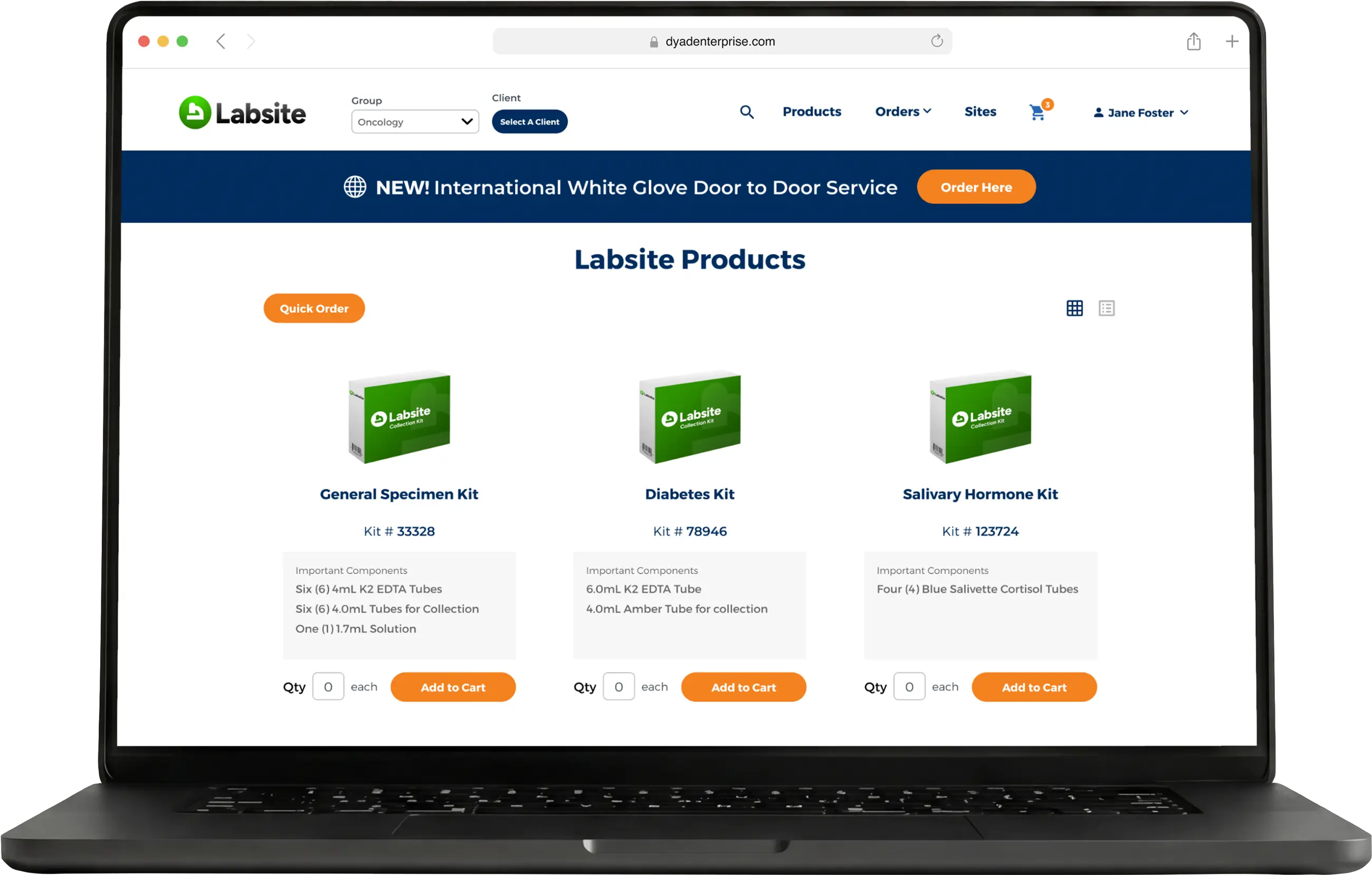
ISO, HIPAA, and HITRUST compliance
Shipped order records analyzed
Units shipped / processed
DYAD came to Excellis without the operating backbone required to scale a regulated healthcare fulfillment business. No e-commerce site. No enterprise operations platform. No durable system of record. No operational control layer capable of supporting ISO, HIPAA, and HITRUST compliance.
What DYAD needed was not a website. It needed a business operating system for regulated healthcare commerce — one that could accept orders, manage fulfillment, assign lots and expiration dates, generate shipping labels, support outbound and return logistics, preserve traceability, and produce the workflow evidence required for compliance.
Within 12 months, DYAD had obtained ISO, HIPAA, and HITRUST compliance with CUE as the main system of record. In the analyzed operating period, DYAD processed 70,668 shipped order records and 426,433 shipped / processed units through the CUE-enabled fulfillment model.
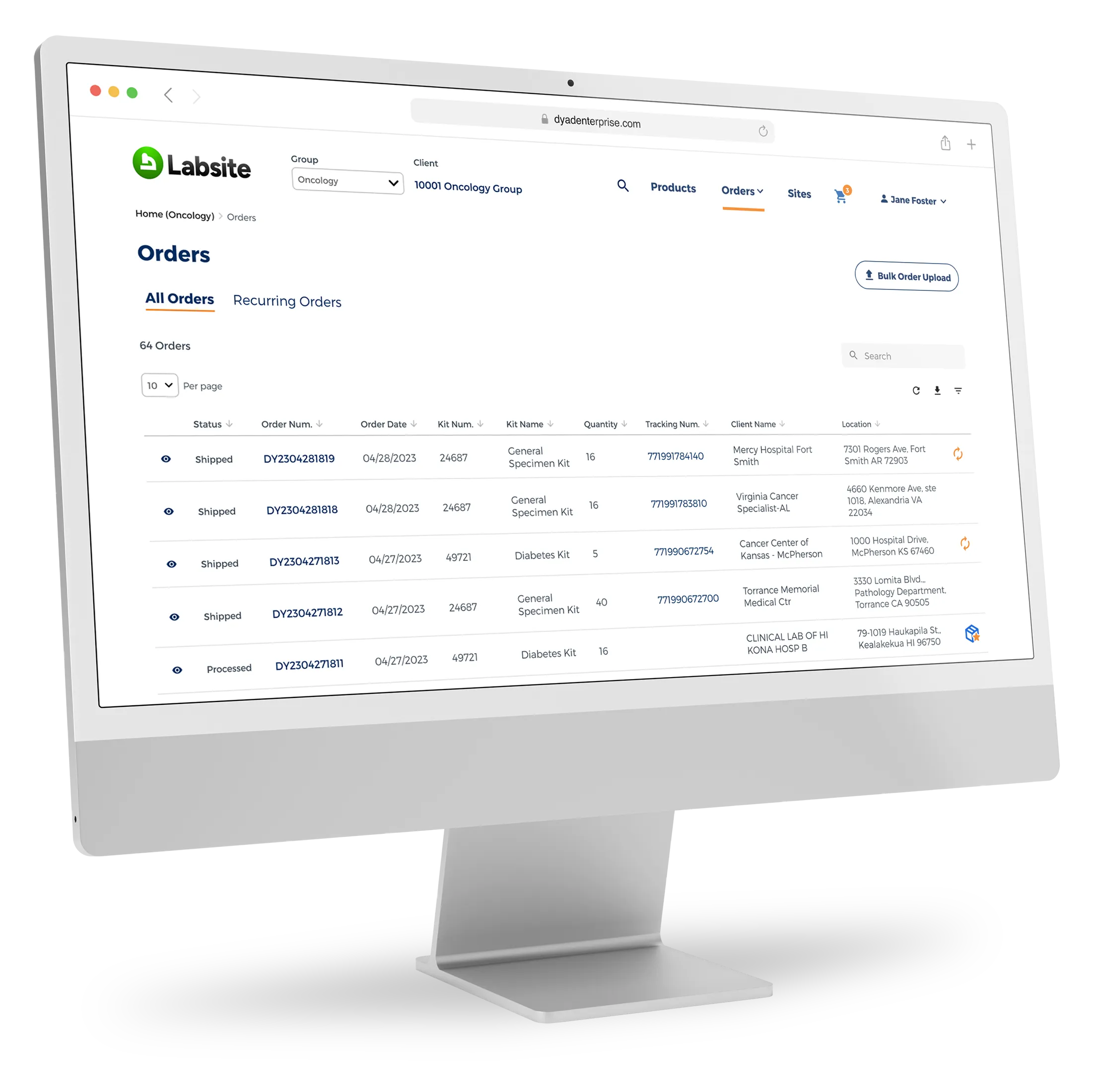
Customer Orders Overview
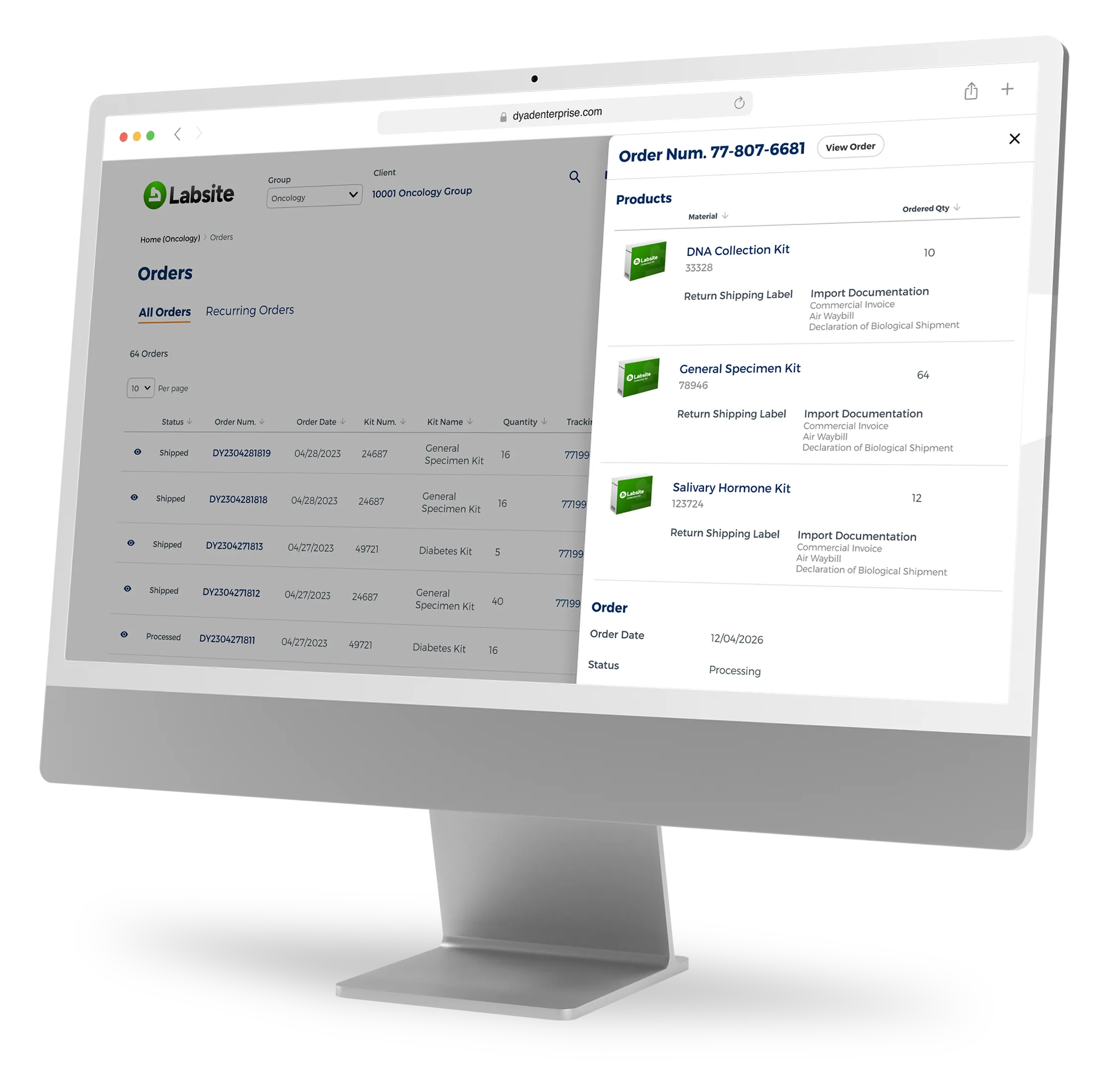
Order Quick View Panel
⬥
⬥
⬥
⬥
⬥
⬥
⬥
CEO - DYAD
DYAD was operating in a market where reliability, traceability, and compliance were not optional. Healthcare customers expected orders to move, kits to ship, returns to be supported, lots and expiration dates to be controlled, and evidence to be available when auditors asked for it.
But the business did not have the infrastructure to support that level of execution.
There was no e-commerce site. There was no enterprise operating system. There was no single system of record tying together order intake, fulfillment, inventory context, shipping, returns, and audit evidence. There was also no practical path to ISO, HIPAA, and HITRUST compliance without first creating the operational discipline those frameworks require.
The problem was not one missing application. It was an operating model gap.
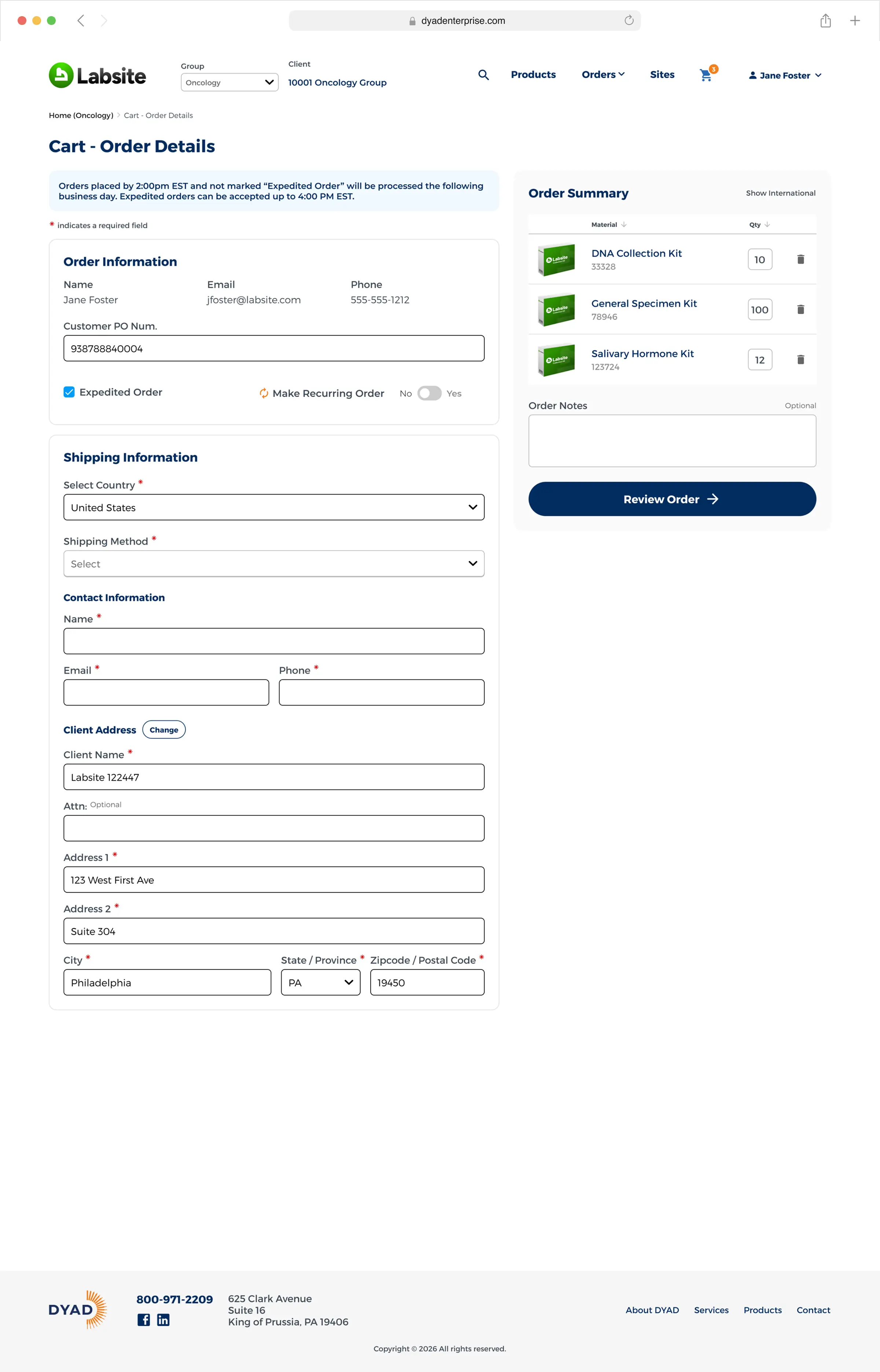
DYAD Shopping Cart
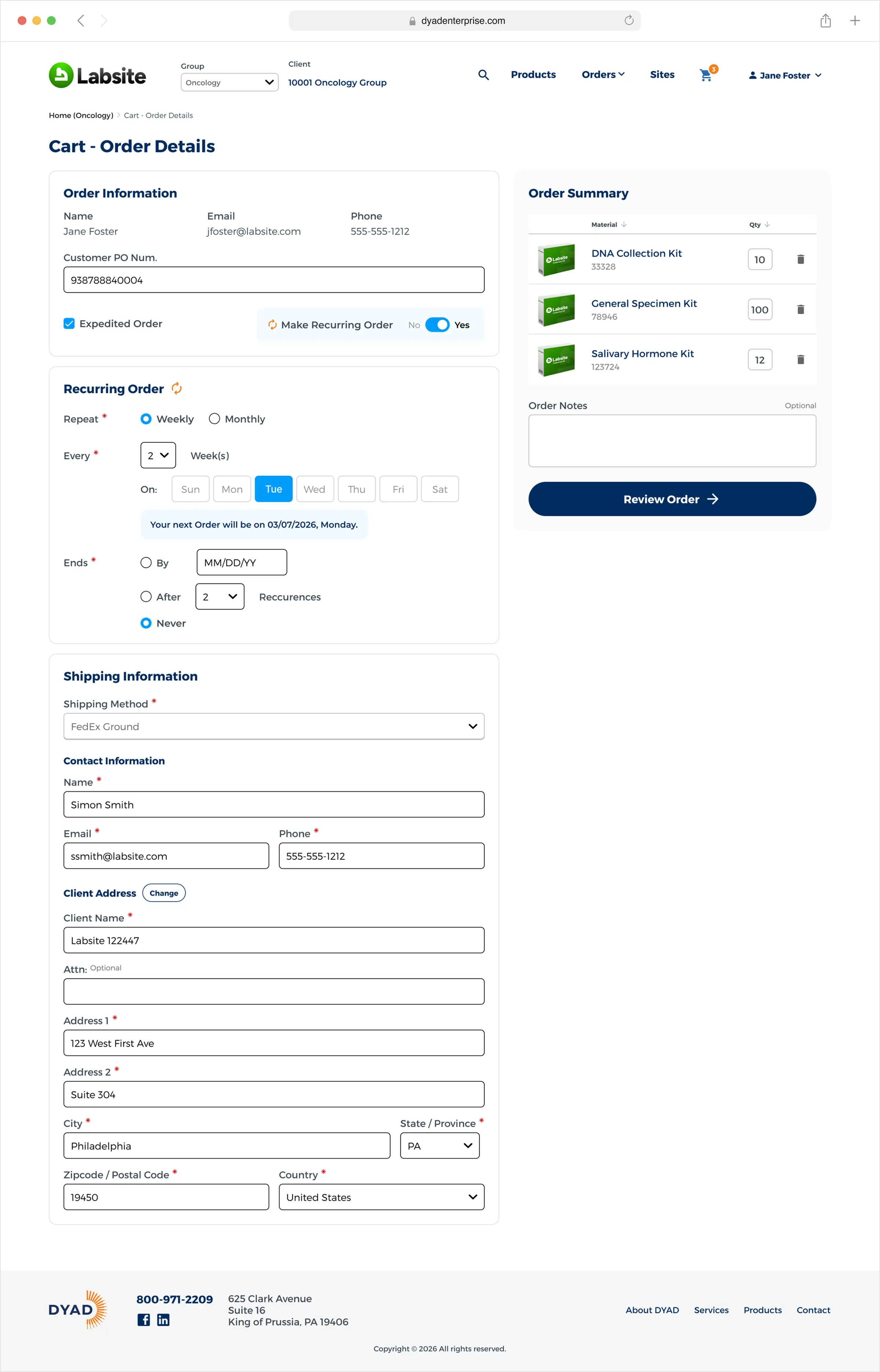
Shopping Cart with Recurring Order Options
A conventional e-commerce implementation would have solved only the front door. DYAD needed the entire operating chain behind that door.
Orders needed to enter through multiple channels — APIs, EDI, Salesforce, CUE Commerce, and spreadsheet loads. Once accepted, they needed to be visible, searchable, filterable, processed, assigned to lots and expiration dates, labeled, shipped, and tracked. Outbound and return shipping accounts needed to be part of the workflow. Documentation had to exist for the operating model itself: architecture, workflow, and data model.
That is not a storefront project. That is a regulated fulfillment operating system.
So DYAD and Excellis built the operating layer on CUE.
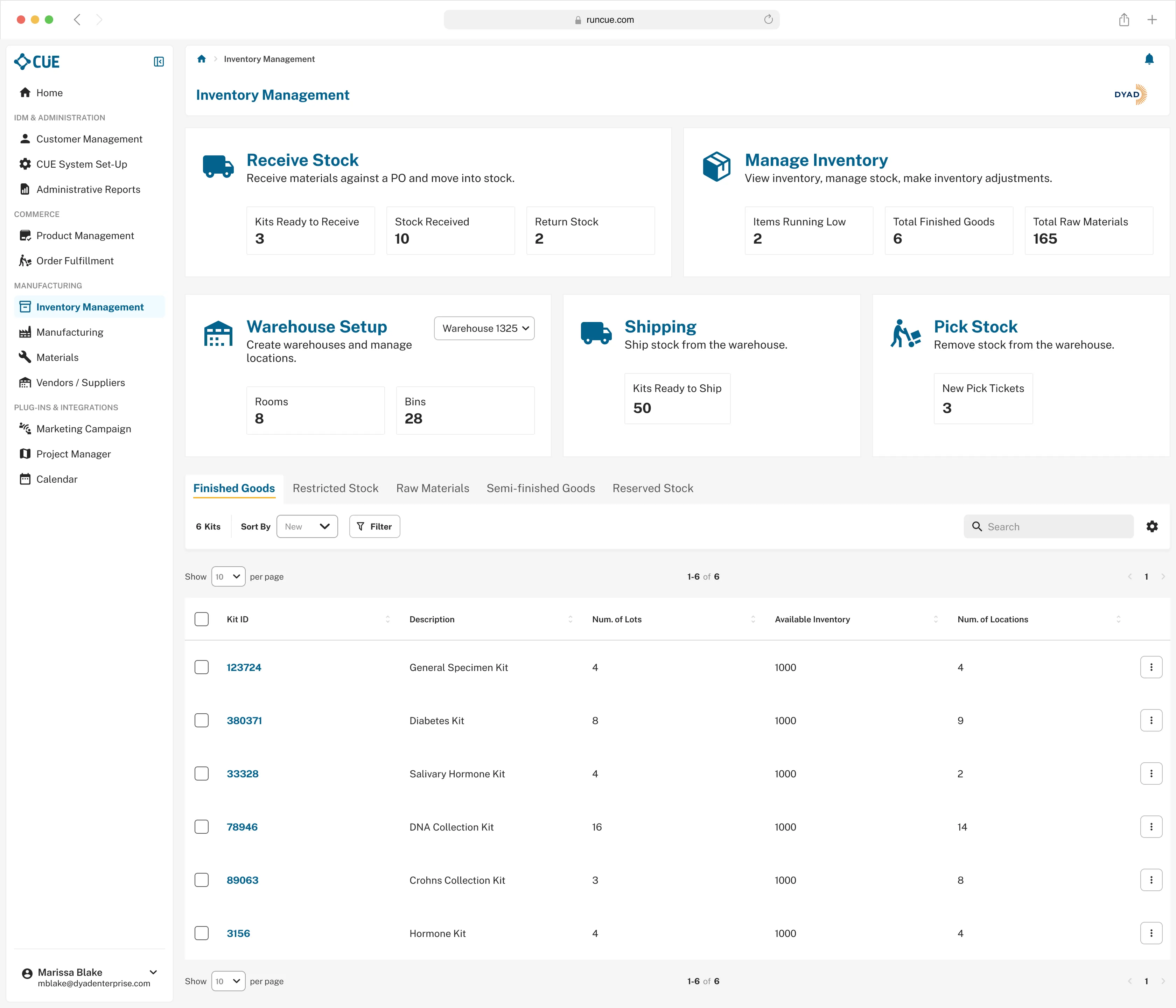
CUE Inventory Management
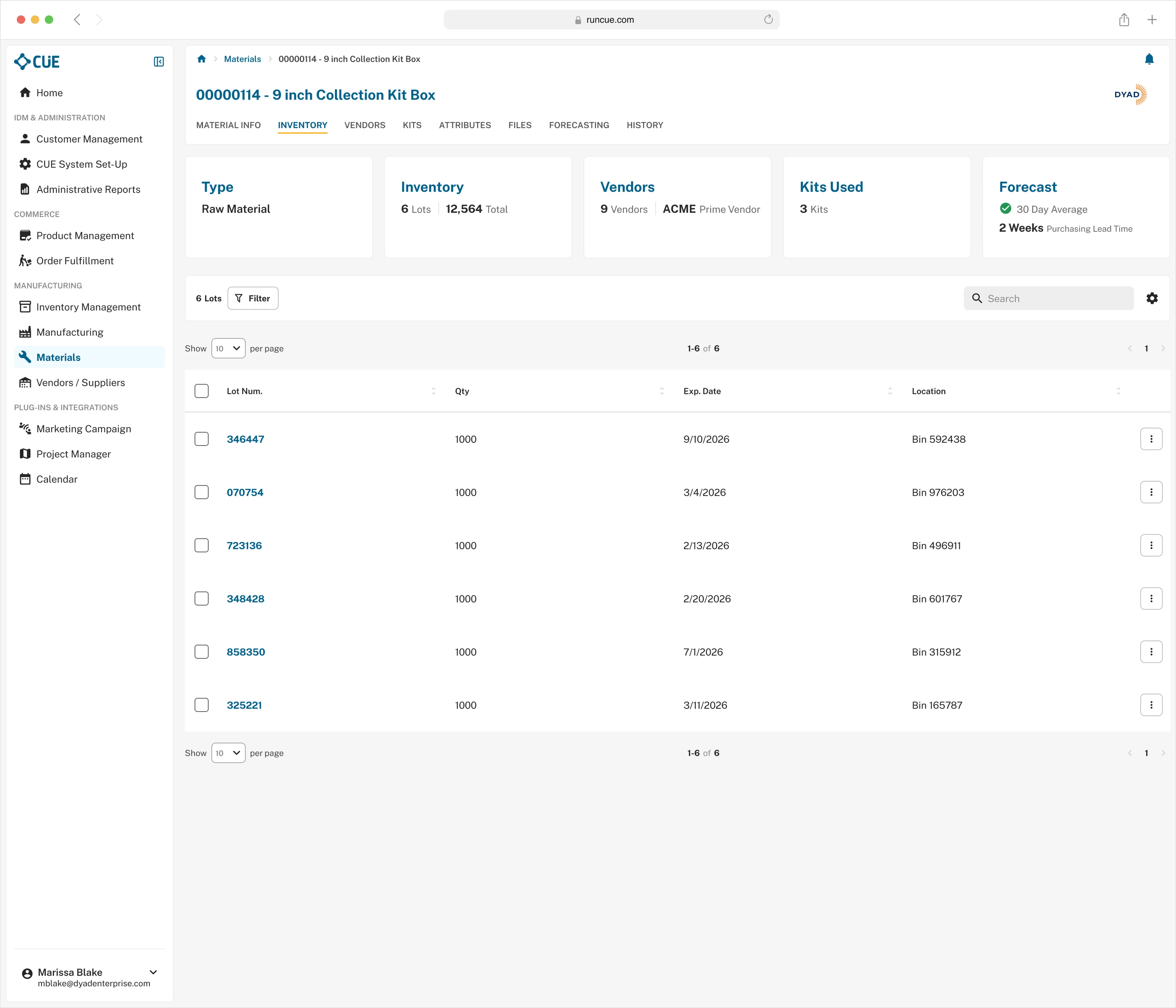
CUE Inventory Details
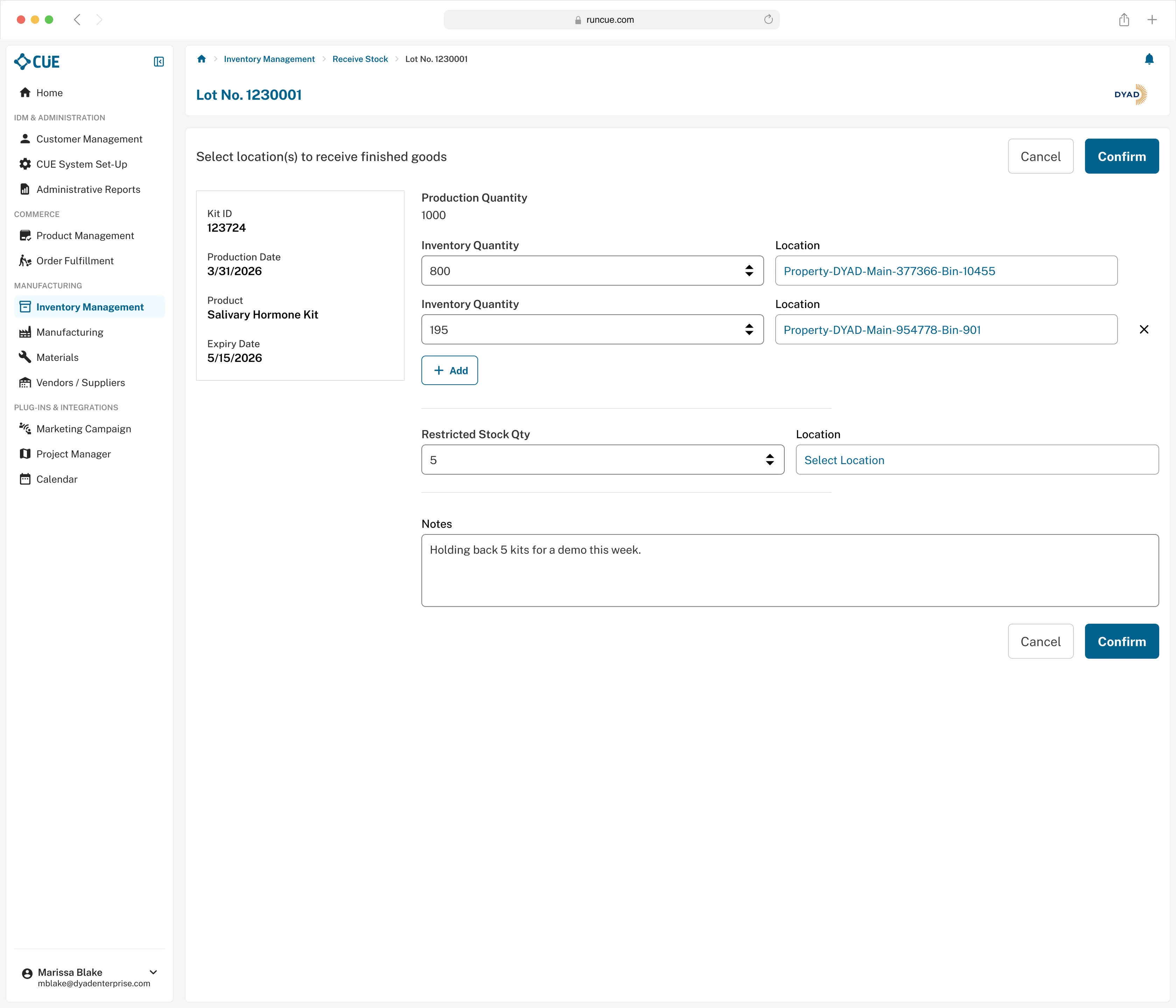
CUE Lot Details
CUE provided the operational control layer, system-of-record discipline, traceability, and workflow evidence DYAD needed to obtain ISO, HIPAA, and HITRUST compliance within 12 months.
The platform unified the critical fulfillment workflow:
The important point is not that CUE replaced a single legacy system. DYAD did not have a mature operating backbone to replace. CUE became the backbone.
The operating data shows that this was not a compliance exercise in isolation and not a pilot.
From November 2023 through September 2024, the CUE-enabled fulfillment model supported 70,668 shipped order records and 426,433 shipped / processed units. Monthly volume grew from 2,309 shipped order records in November 2023 to 18,578 in September 2024.
The programs were real healthcare programs, not test accounts. The analyzed order data included Labcorp, Genomind, Banner, Colofit, Optum, Cigna, FEP, Wellmed, Braven Health, and other kit programs. Shipments moved nationally, with high-volume activity across California, New Jersey, Nevada, Texas, Florida, New York, Pennsylvania, Virginia, Colorado, and North Carolina.
That volume matters because compliance without throughput is theoretical. DYAD needed to prove that the operating model could scale while preserving control.

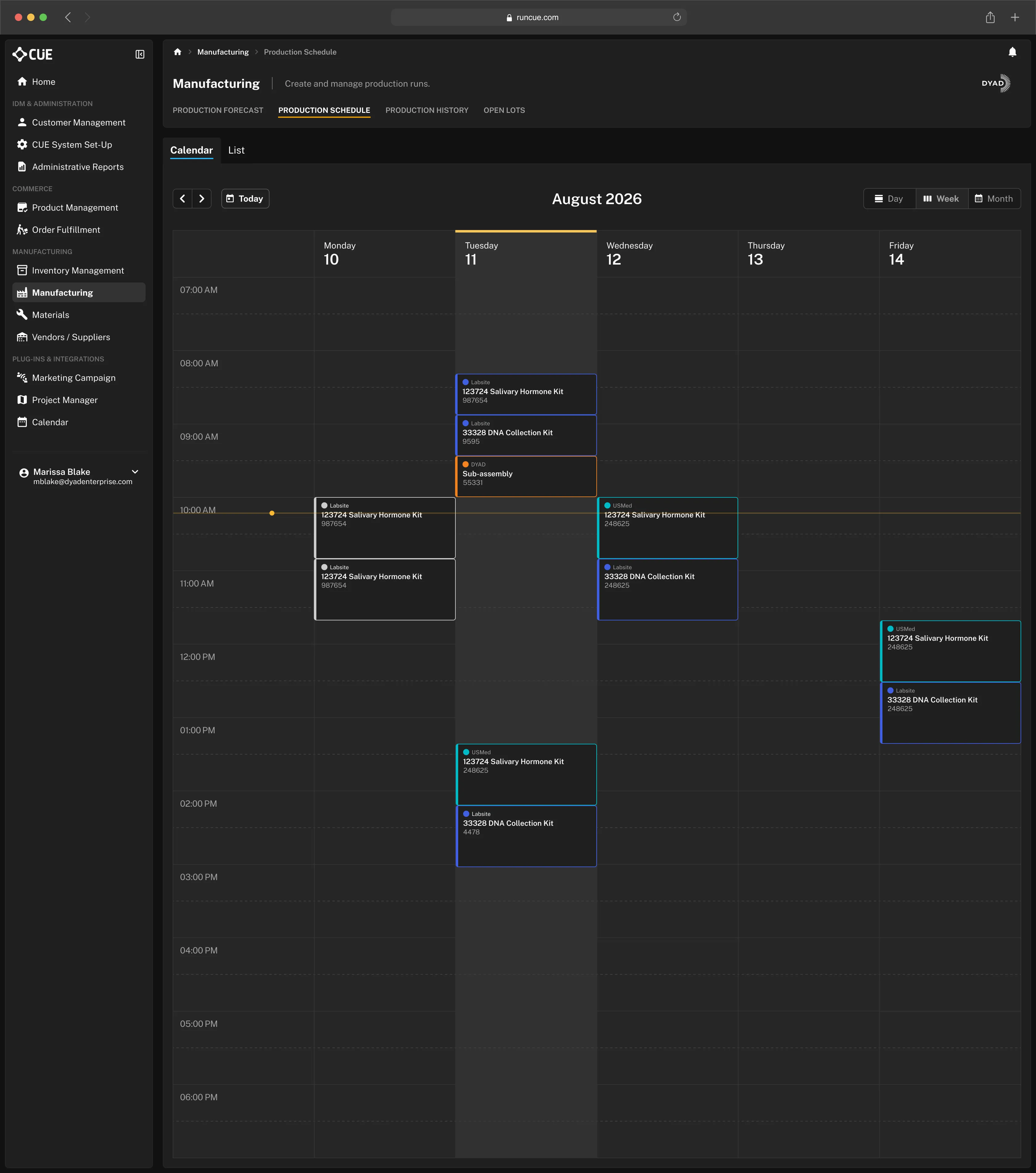
ISO, HIPAA, and HITRUST compliance required more than policies. DYAD needed repeatable workflows, controlled data, traceable transactions, defined roles, documented processes, and evidence that operations were being executed consistently.
CUE gave DYAD the operating substrate for that evidence.
Order activity, fulfillment steps, shipping execution, lot and expiration assignment, customer program logic, and related operational records could be managed inside a common platform. That reduced the need for fragmented shadow systems and gave the business a clearer path to audit readiness.
The result was a business that could scale customer programs and support compliance at the same time.
DYAD did not just need e-commerce. DYAD needed an enterprise operating backbone for regulated healthcare fulfillment.
CUE became that backbone. It gave DYAD a system of record, a fulfillment control layer, a scalable integration model, and the operating evidence required to support ISO, HIPAA, and HITRUST compliance within 12 months.
The result was a business that moved from no e-commerce infrastructure and no enterprise operating model to high-volume, compliance-ready healthcare fulfillment at scale.
DYAD - From no e-commerce to regulated healthcare fulfillment at scale.